
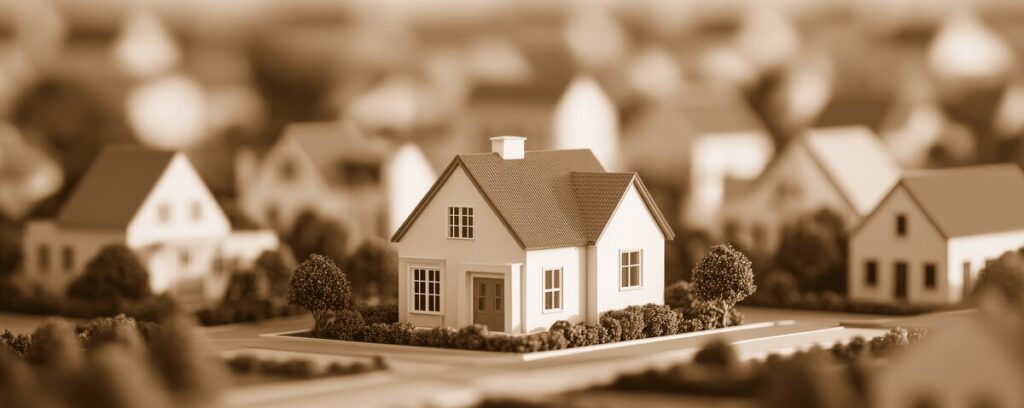
Nestled just east of the bustling heart of White Plains, Colonial Corners is more than a name on a map—it's a living reflection of history, character, and enduring community spirit. For residents new and old, this charming enclave offers tree-lined streets, heritage architecture, and the quiet pride of a neighborhood built on stories worth sharing.
The Origins: A Nod to Colonial Times
Colonial Corners traces its roots to the early days of White Plains, when the area now bordered by North Street, Ridgeway, and Bryant Avenue was largely farmland dotted with colonial estates. The name “Colonial Corners” is believed to call back to the crossroads where early landholders—families like the Gedneys and the Purdy clan—traded, farmed, and eventually formed the backbone of White Plains’ colonial society in the 1700s.
Inspired by the colonial homes and the original “corners” where horse-drawn carriages and neighbors once met, local developers in the early 20th century branded the area “Colonial Corners” as a way to both honor its heritage and highlight its distinctive architecture.
A Neighborhood Defined by Historic Streets
A stroll through the neighborhood today offers glimpses into its layered past. Streets like Gedney Way, Colonial Road, and Ridgeway are lined with sturdy colonial revival houses, mature sugar maples, and original stone walls that harken back to the earliest days.
- Colonial Road stands as the spine of the neighborhood, its homes reflecting classic New England style—white clapboard, inviting porches, and symmetrical windows.
- North Street offers a gentle boundary, once a main route for farmers and travelers, now tree-shaded and peaceful.
- Bryant Avenue serves as a transition between Colonial Corners and other White Plains neighborhoods, dotted with stately older homes.
Each of these streets converges in ways that recall the central “corners” where the neighborhood first came together.
Key Historical Milestones
Colonial Corners’ first major wave of development came during the post-World War I building boom. Returning veterans and young families sought more than just proximity to White Plains’ downtown—they craved stability and a sense of history. Lots were carved from old estates and the “Colonial Corners Homeowners’ Association” was established in the late 1920s to maintain the neighborhood’s distinctive charm.
In the post-WWII era, the neighborhood expanded again. Veterans taking advantage of the GI Bill moved in, schools were built, and a new generation of children played on tree-shaded sidewalks. Yet, through decades of change, the area resisted the dense apartment construction that transformed much of White Plains, preserving its low-rise character and serene atmosphere.
Iconic Landmarks and Local Treasures
A few landmarks encapsulate the spirit of Colonial Corners:
- The Ridgeway Alliance Church (originally the Colonial Corners Chapel): Standing at the heart of the neighborhood, this beautiful building began as a colonial-inspired community chapel in the 1930s, serving as a gathering place for residents during both hard times and celebrations.
- The old stone wall at Gedney Way and Colonial Road: Thought to have been built by one of the area’s early families, this wall stands as a physical reminder of the neighborhood’s past.
- Cisco Park: Just a stroll away along Ridgeway, this well-loved green space has long been a place for neighborhood gatherings, picnics, and summer games—its shaded benches and towering oaks providing a natural escape in the city.
While Colonial Corners lacks the showy monuments of downtown White Plains, its quiet streets and subtle landmarks are cherished by generations of residents.
Community Institutions and Traditions
The neighborhood’s heart lies as much in its people as its places. Longtime residents still recall holiday block parties along Colonial Road and annual plant sales hosted by the Colonial Corners Garden Club—a tradition stretching back to the 1950s.
The Colonial Corners Homeowners’ Association continues its stewardship today, advocating for everything from tree maintenance to thoughtful zoning that protects the area’s architectural integrity. Nearby schools, such as White Plains High School and Ridgeway Elementary, have fostered community ties for decades, creating a network of friendships that carry on year after year.
How Colonial Corners Has Evolved
In recent decades, Colonial Corners has attracted families seeking a quieter alternative to downtown living. Young professionals, retirees, and newcomers are drawn to the sense of stability and historic continuity that defines the neighborhood.
Despite modern challenges—rising property values, changing demographics, and the pressures of urban development—residents remain proud guardians of the old stone walls, leafy lanes, and community traditions. In a city famed for continuous growth, Colonial Corners keeps a sense of timelessness alive.
What Makes Colonial Corners Special Today
Ask a resident what sets Colonial Corners apart, and you’ll hear about things both big and small:
- The annual spring walk down Colonial Road beneath blossoming dogwoods.
- The comforting sight of the old chapel at dusk, its windows glowing from community choir practice.
- Neighbors who remember your name and wave from across the street.
Above all, Colonial Corners is a reminder that history isn’t just about the past—it’s something you live every day in the warmth of home, the pride of place, and the stories waiting to be discovered on every corner.
Whether you’re a visitor taking your first stroll, or a lifelong resident with decades’ worth of sidewalk memories, Colonial Corners remains one of White Plains’ quiet treasures—rooted in history, refreshed by community spirit, and always welcoming to those eager to appreciate its heritage.